

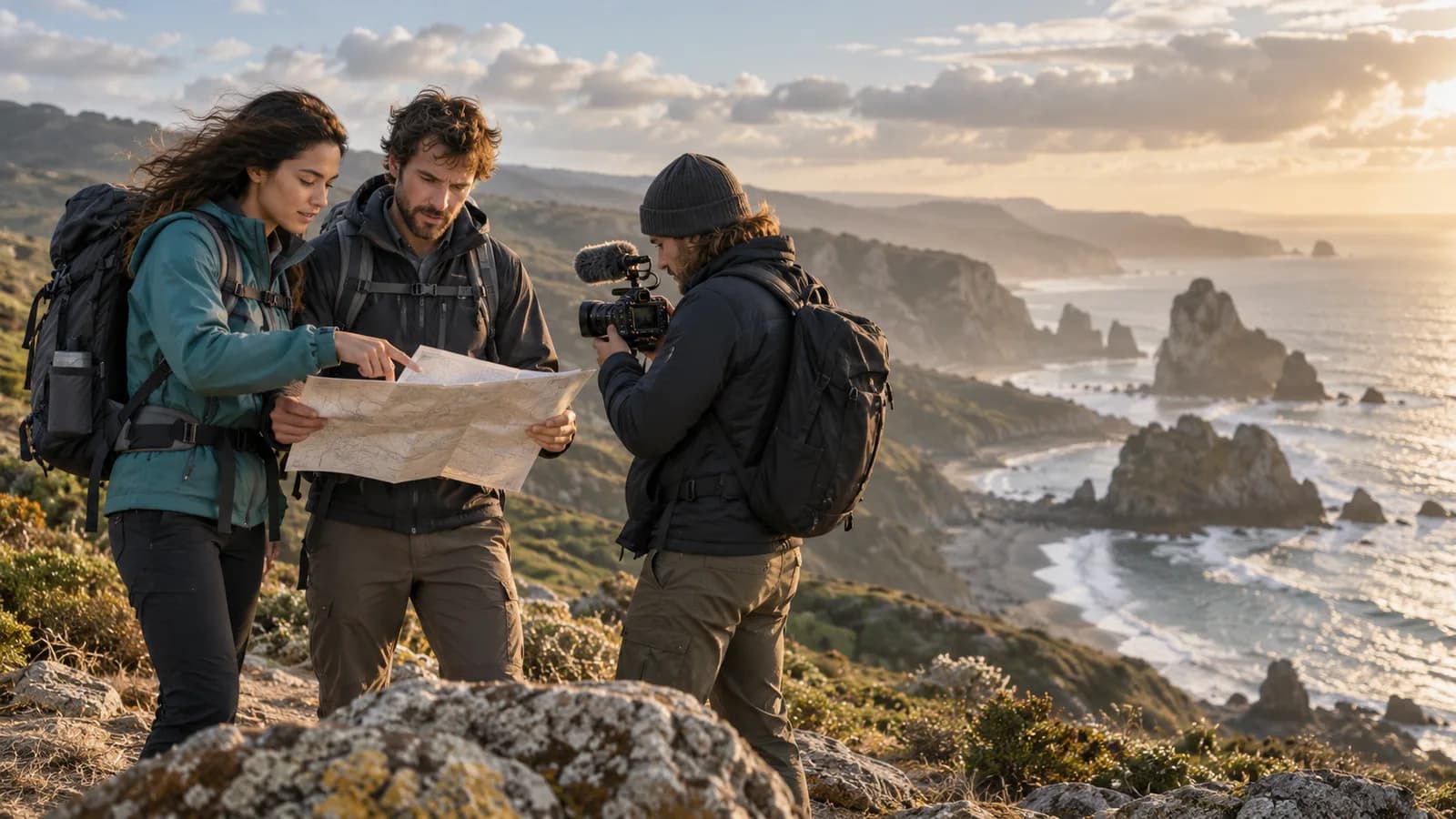
Travel content can look beautiful without helping someone decide whether to book. Alongside the view, a guest may need to understand the route to a room, how the surroundings work and whether the experience fits their circumstances. This guide is a way to cast travel creators around useful product questions rather than another destination ranking.
Travel content can look beautiful without helping someone decide whether to book. Alongside the view, a guest may need to understand the route to a room, how the surroundings work and whether the experience fits their circumstances. This guide is a way to cast travel creators around useful product questions rather than another destination ranking.
Add an experience to the location search
hotel room tour creator, family travel content creator and accessible travel video creator describe different assignments. Drone footage cannot explain a family room layout or a step-free route. Narrow the brief by the experience that needs explaining, not just the city name. Find portfolio evidence that the creator can actually show the relevant sequence.
For a boutique hotel, the task might be a route from arrival to the room and breakfast area. Record observable features instead of making a broad claim such as “accessible for everyone.” Ask the operator to verify measurements and current facilities where necessary. A creator's single visit is not a general certificate of suitability.
Separate hospitality from production
The stay, travel expenses, filming time and delivered videos are separate items. An offered room does not automatically compensate for a substantial advertising production. State who organises transport, which scenes depend on weather and where filming is allowed. A creator should be able to identify these dependencies before agreeing a delivery date.
Do not treat guests or staff as unapproved background material. Plan permission, location control and review responsibilities. When filming at an operating property, distinguish the ordinary guest experience from conditions specially arranged for the shoot. If an area was closed or prepared privately, do not imply that every visitor receives the same experience.
A three-question sample brief
- What is the route from arrival to the room? Show the important transitions and directions.
- Which room feature matters to the intended guest? Identify the actual room category being filmed.
- How does a nearby activity fit into the stay? Verify current travel times or distances before quoting them.
A creator who can translate those questions into a visual sequence offers a different service from a scenic montage account. Check whether an unusually wide lens distorts room size. Keep archive footage distinguishable from the current visit and identify the season and room variation. These small controls make the content useful when a reservation team reuses it later.
Do not confuse content signals with booking evidence
Views, saves and link clicks answer different questions. If booking attribution is absent, do not claim measured revenue. Assess the first delivery through correct room identification, a clear route, approved information and usable editing. Leave unmeasured outcomes explicitly unmeasured rather than filling a reporting gap with a conversion assumption.
The next brief can respond to questions the reservation team actually receives. If visitors repeatedly ask about arrival after dark, a practical arrival sequence may be more helpful than another panoramic shot. This is a prioritisation decision, not a promise of better booking performance.
Frequently Asked Questions
Must the creator specialise in travel?
Specialisation can help, but a room-explanation brief needs direct evidence of explanation and filming ability. Publication on the creator's own account also needs an audience-fit review.
Does bad weather mean the production failed?
Not necessarily. Agree essential scenes, indoor alternatives and rescheduling conditions before the visit rather than assigning the entire weather risk after arrival.