

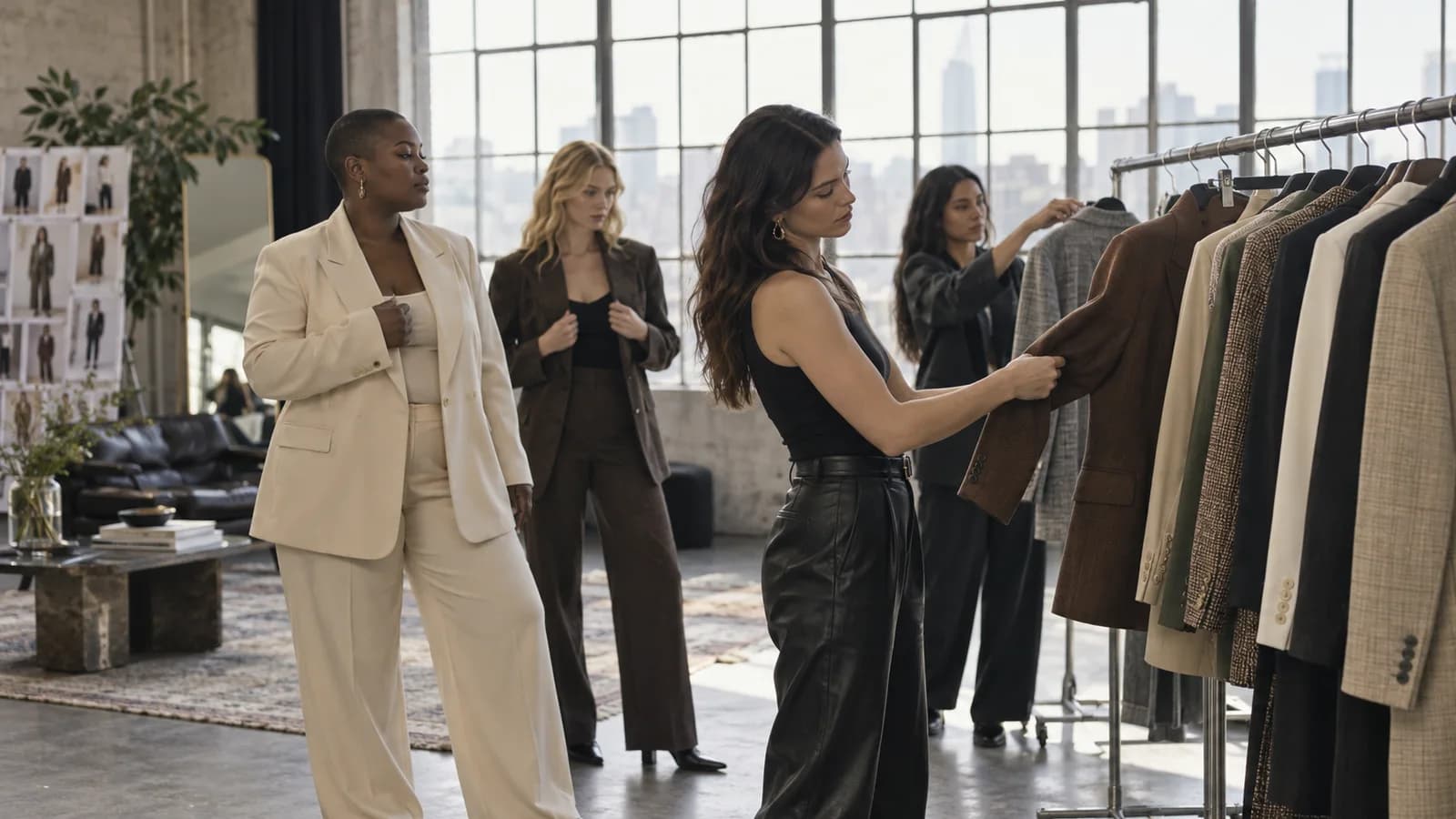
A fashion video can do more than animate a catalogue: it can show a garment while sitting, how fabric behaves in light and where sizing becomes difficult. Finding a creator whose style resembles the brand is only the beginning. The brief should start with a question the customer cannot answer from a still product image.
A fashion video can do more than animate a catalogue: it can show a garment while sitting, how fabric behaves in light and where sizing becomes difficult. Finding a creator whose style resembles the brand is only the beginning. The brief should start with a question the customer cannot answer from a still product image.
Match the casting criteria to the product question
Queries such as fashion fit check UGC creator, clothing try on creator or plus size fashion product video narrow the service. Use the last query when the actual range and brief serve that need. Evaluate a creator's comfortable product experience and production ability rather than reducing them to a body-size label.
Trousers may need sitting and walking; a jacket might need shoulder movement; a dress may benefit from a turn. Do not send every garment the same pose list. If measurements appear, use only information the creator has explicitly agreed to share and present it alongside the official size guide. Sharing personal measurements should not become an assumed condition of selection.
Sample logistics are part of casting
You cannot fairly judge a performance if you sent an unsuitable size. Confirm the variant, size, colour and exchange time before shipment. Establish a contact route for pausing a shoot when the garment does not fit. Clips or concealed alterations must not create a fit that is presented as the unmodified product's normal appearance.
Agree returns, cleaning and what happens to the sample after filming. Receiving a gifted item and producing a paid video are different arrangements. Sending a garment does not automatically buy content or a positive opinion. The production scope needs to be accepted clearly before the brand relies on an expected delivery.
Review three short scenes
| Scene | What it explains |
|---|---|
| Standing view | Silhouette and length relationship |
| Walking or sitting | Fabric behaviour during movement |
| Close detail | Seam, fastening or material texture |
A quiet background helps the viewer see small details. Request consistent lighting instead of heavy filters that change colour. Watch at a real mobile viewing size to check that the garment remains visible. Discuss resolution and framing before filming if the editing team needs room to crop a close detail from a wider shot.
Connect delivery notes to customer questions
Write down which uncertainty the asset resolves instead of saying only that it looks stylish. A recurring customer-service question, such as sleeve length or pocket opening, can inform the next brief. Use that evidence to improve product communication rather than blame the creator. Do not attribute a change in return rate to one video alone: the size guide, description and product assortment can also influence it.
Keep an approved reference export for each variant. If a later edit mixes two colours or sizes, the reviewer should be able to identify the mismatch without reconstructing the entire shoot. That simple record makes repurposing more dependable.
Frequently Asked Questions
Can one creator represent an entire size range?
No. One person's try-on shows that person's experience. Broader size communication needs additional examples and official product measurements rather than an unsupported generalisation.
Does a try-on have to appear on the creator's account?
No. Production for the brand and publication to the creator's audience can be separate deliverables with separately agreed scope and usage.